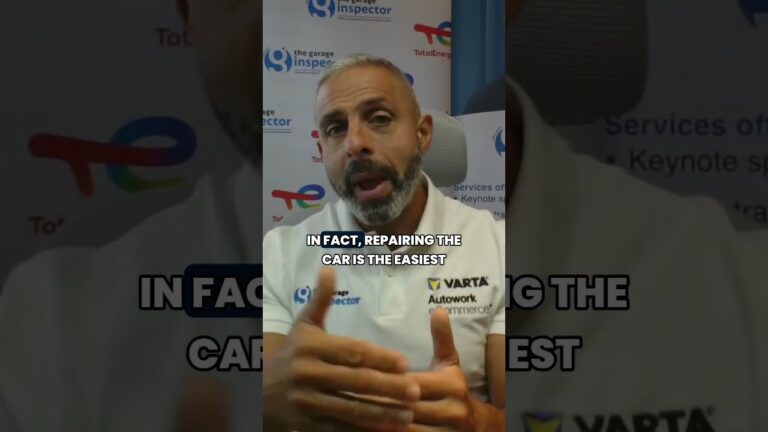


Every quarter it’s the same. The VAT return comes round, you work out what you owe, and you find some of that money has already been spent.
It isn’t because you’ve been careless. It’s because the VAT sat in the same account as everything else, and the day-to-day swallowed it up.
There’s a simple discipline that stops it. I’ve done it from day one, and I explain it in a minute here.
Open separate accounts
Open separate accounts for your VAT, your income tax and your PAYE.
Then, at the end of every week, take whatever VAT you’ve taken that week and move it into the VAT account. Do the same for income tax and PAYE.
Why PAYE and income tax too? Same reason. The PAYE you take off your team’s wages and the tax you’ll owe on your profit are bills that are coming. Set the money aside as you go, and it’s there when they land.
Why weekly, and why it matters
Leave the VAT in your main account and it gets swallowed up in the weekly takings. It gets used. Then three months later, when you calculate your VAT return, you find you’ve spent some of it.
Take it out every week and that can’t happen. It doesn’t get swallowed up, because it isn’t sitting there to be spent.
It’s not our money. We’re there to facilitate the capture of this tax for the government.
Andy Savva
Think of it this way. Every invoice you raise has VAT on it, and you’re only holding that VAT for a while before it goes to HMRC. You’re the collector, not the owner. So get it out of the way.
See where you really stand
There’s a second benefit. The quicker you get the tax out of your operating account, the clearer you are about where you really stand: your financial stability, your weekly takings and your monthly takings.
The balance in your main account becomes money that’s actually yours to run the business with. No nasty surprise at the end of the quarter.
Start this Friday
- Open separate accounts for VAT, and for income tax and PAYE, if you don’t have them.
- Pick a fixed time at the end of each week.
- Move that week’s VAT across, and the same for income tax and PAYE.
- Treat what’s left as your real position, not the total balance.
It’s fundamental, and it’s a great discipline for every garage to get into.
Get confident with your garage’s numbers
Want to set a labour rate that maximises your profits? My online course, Taking Control of Your Garage’s Finances, is designed for the independent garage sector and helps you get confident with finance and start making smart financial decisions.